September 23, 2026
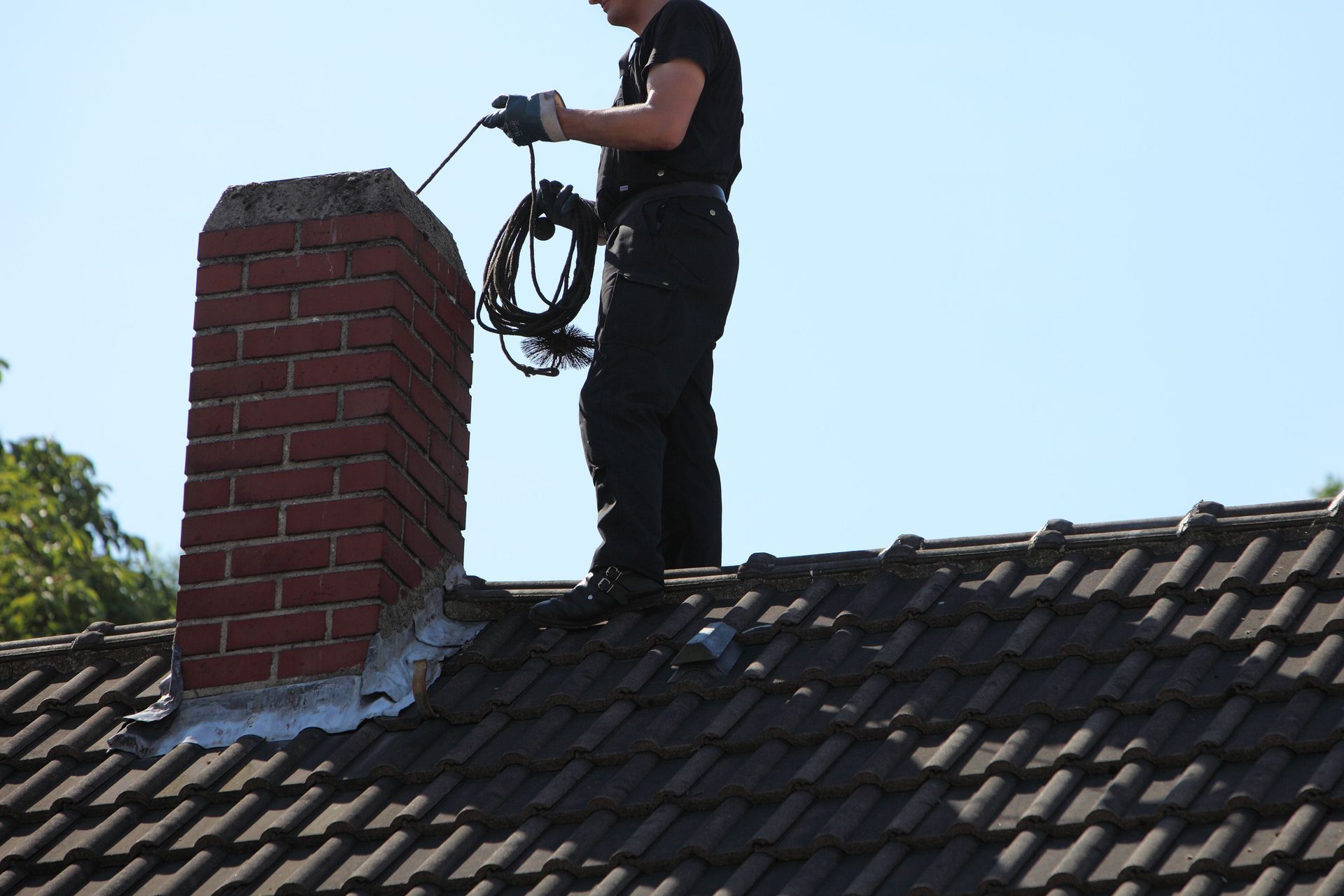
A chimney carries smoke, gases, and combustion byproducts away from a fireplace or heating appliance. Over time, soot, creosote, ash, and other residues can collect along the interior surfaces of the flue. Creosote is especially important because it is combustible and can accumulate as a result of burning wood. Scheduling chimney cleaning helps address this buildup before it becomes a more significant concern.
The amount and type of residue can vary based on how often the fireplace is used, what is burned, and how efficiently the appliance operates. Moisture, ventilation conditions, and chimney design can also influence the condition of the flue. Because these factors differ between homes, a chimney should be evaluated according to its individual use and condition. Routine chimney cleaning provides an opportunity to identify buildup and other concerns before they become harder to manage.
Recognize the Fire Risks of Creosote
Creosote is one of the primary concerns associated with wood-burning fireplaces and chimneys. It can appear as a powdery substance, a sticky coating, or a hardened deposit depending on how it forms inside the flue. Because creosote is combustible, significant accumulation can increase the potential for a chimney fire when exposed to high temperatures. Professional inspection and chimney cleaning can help identify and remove deposits before they create a more serious hazard.
A chimney fire may develop rapidly and can expose the chimney structure and surrounding building materials to extreme heat. Even when a fire does not spread throughout the house, damage to the flue can affect its ability to safely contain combustion gases. Regular attention to the chimney can therefore be an important component of fireplace safety. Homeowners should consider professional evaluation as part of their fire prevention routine.
Evaluate Chimney Condition and Ventilation
A chimney does more than provide a path for smoke to leave the home. It must also work with the fireplace or heating appliance to maintain appropriate venting conditions. Blockages, structural deterioration, damaged components, or other problems can interfere with that function. Professional chimney cleaning and inspection services can evaluate the system and identify conditions that may require additional attention.
Ventilation concerns can be particularly important because combustion produces gases that need to exit the home safely. A chimney obstruction may restrict airflow or alter how combustion byproducts move through the flue. Routine inspection can help identify conditions that are not immediately visible from the living area. Addressing these concerns through professional service supports the safe operation of the fireplace system.
Maintain Consistent Seasonal Service
Chimney maintenance is often associated with preparing a fireplace for the colder months, but the timing of service can depend on how the system is used. A household that burns wood frequently may experience more buildup than one that uses a fireplace occasionally. Seasonal changes can also make it practical to evaluate the chimney before periods of heavier use. Establishing a consistent service routine helps prevent maintenance from being overlooked.
According to HomeGuide, a chimney sweep typically takes about 1 to 2 hours on average, while a well-maintained chimney may require less time when the appointment involves cleaning and a visual inspection. The duration can vary based on the condition and accessibility of the system. Allowing adequate time for an evaluation also gives the technician an opportunity to examine relevant components. Planning service as part of regular home maintenance can make it easier to keep the chimney in appropriate condition.
Identify Problems Before They Escalate
Routine chimney service can reveal issues that may not be obvious during normal fireplace use. Cracked masonry, damaged flue components, excessive deposits, obstructions, and signs of deterioration can affect chimney performance. Finding these conditions earlier can provide an opportunity for professional evaluation before they become more extensive. A thorough inspection can therefore be valuable even when a fireplace appears to be operating normally.
Homeowners may also notice changes in fireplace performance that warrant professional attention. Unusual odors, smoke entering the room, changes in draft, or visible deterioration around the fireplace can indicate a problem with the system. These signs should not be dismissed simply because the fireplace has previously operated without difficulty. Professional assessment can determine whether the chimney requires cleaning, repair, or additional evaluation.
Support Safe Fireplace Operation
A clean and properly maintained chimney supports the normal operation of a fireplace by providing a clear route for combustion byproducts. When deposits or obstructions restrict that route, the fireplace may not perform as intended. Professional chimney cleaning addresses accumulated residue as part of maintaining the venting system. This service works alongside proper fireplace operation and other safety measures to reduce preventable concerns.
Safe fireplace use also depends on the condition of surrounding components and the way the system is designed. The chimney, firebox, flue, damper, and other parts must function together as a complete system. Professional chimney cleaning can help identify conditions that affect that relationship. Maintaining the entire system rather than focusing only on visible fireplace surfaces provides a comprehensive approach to fire prevention.
Protect Chimney Structure and Surrounding Materials
High temperatures, moisture, repeated heating and cooling, and combustion byproducts can all affect chimney materials over time. Masonry can deteriorate, mortar joints can weaken, and internal components can develop damage that is not immediately visible. Accumulated residue can also complicate the condition of the flue. Regular
chimney cleaning and professional evaluation help homeowners stay informed about the condition of these important components.
A chimney is connected to the larger structure of the home, so problems within the system can have implications beyond the flue itself. Damaged components may allow heat or combustion gases to reach areas where they should not be present. Identifying these conditions early allows appropriate professionals to determine what corrective work may be needed. Routine service is therefore about more than removing residue; it also involves paying attention to the condition of the chimney system.
Plan Service Around Fireplace Use
The ideal maintenance schedule can vary according to how frequently and intensely a fireplace is used. Homes that rely on wood-burning fireplaces regularly may require more frequent attention than homes where the fireplace is rarely operated. Changes in fuel, appliance use, or household routines can also affect the amount of maintenance required. Professional guidance can help establish a service schedule based on the specific system and its usage.
Planning ahead can be particularly helpful before the beginning of a heavy-use season. Scheduling service in advance gives homeowners an opportunity to have the chimney evaluated before regular fireplace use increases. It can also provide time to address concerns identified during the appointment. A planned maintenance routine is easier to manage than waiting until a problem interrupts fireplace use.
Combine Cleaning With Professional Inspection
Cleaning and inspection serve related but distinct purposes. Removing deposits addresses accumulated material inside the chimney, while inspection focuses on the condition and function of the system. Combining these services can provide a wider understanding of whether the chimney is ready for continued use. A professional technician can determine whether additional attention is warranted based on observed conditions.
Routine chimney maintenance is an important consideration for homes that use fireplaces or wood-burning heating appliances. Removing combustible deposits and identifying potential problems can help support safer operation and reduce avoidable fire hazards. At Platinum Pro Chimney, we can evaluate your chimney's condition and provide professional cleaning and inspection services based on the needs of your system. Contact Platinum Pro Chimney to schedule service and take a proactive approach to maintaining your chimney and fireplace.